✦ Luxury Chauffeur
The Role of AI and GPS Technology in Modern Dubai Chauffeur Services
November 23, 2026
11 min read
RCT Editorial
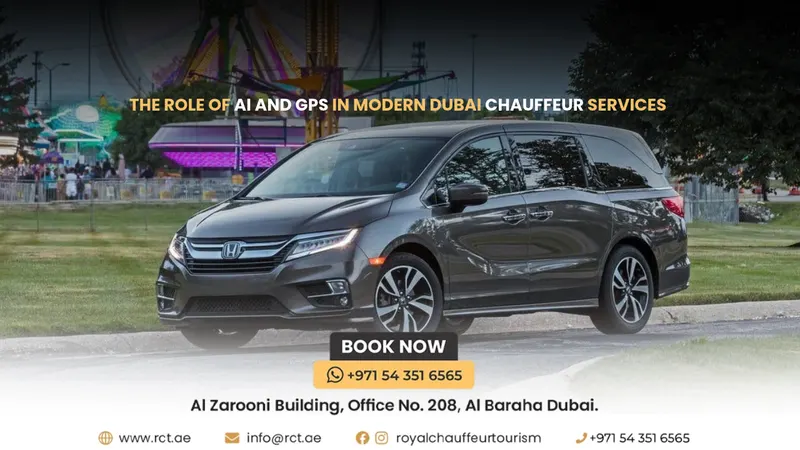
Dubai's roads, business districts and airport routes require careful journey planning. Traffic conditions can change throughout the day, affecting pickup times and travel schedules. Technology is helping transportation companies manage these challenges through better information, digital systems and more organised operations. Passengers booking a chauffeur service in Dubai can benefit from accurate navigation, real-time updates and efficient journey coordination.
AI and GPS in modern Dubai chauffeur services are changing the way journeys are planned, vehicles are monitored and bookings are managed. GPS provides location and navigation data, while artificial intelligence and machine learning analyse information to identify patterns and support operational decisions. Together, these technologies can help transport providers manage daily activities more effectively without replacing professional chauffeurs.
Technology and the Changing Chauffeur Industry in Dubai
Dubai's transport network connects residential communities, commercial districts, hotels, shopping destinations and international airports. Chauffeur companies manage different types of journeys across these areas, often with several bookings scheduled throughout the day.
Handling these journeys requires more than assigning a driver and vehicle. Operators need to consider travel distances, road conditions, pickup times and vehicle availability. Cloud-based fleet management makes it easier to organise this information and respond when circumstances change.
Artificial intelligence and GPS are two of the main technologies contributing to this development, alongside connected vehicle technologies and digital booking platforms. Their applications range from analysing traffic patterns to monitoring live vehicle location and supporting fleet operations for business executives, airport travellers and VIP passengers.
Artificial Intelligence in Chauffeur Managements
Artificial intelligence can analyse large amounts of information and identify patterns that support business decisions. In chauffeur management, it can assist with traffic analysis, booking management, chauffeur allocation and vehicle maintenance.
Traffic Prediction and Route Decisions
Traffic conditions in Dubai vary according to the time of day, location and road activity. AI-powered route planning uses predictive traffic analytics to study historical traffic records and current information, helping estimate possible congestion, the impact of road closures, accidents and busy periods during peak traffic hours.
These predictions can help transport operators identify periods when certain routes are likely to experience delays. Operations teams can use this information when arranging pickup schedules, choosing the fastest routes and estimating journey durations.
AI-based analysis is particularly useful for identifying recurring traffic patterns. It helps operators make informed decisions instead of relying entirely on previous experience, and it supports better fuel efficiency by reducing time spent in heavy traffic.
Booking Management and Vehicle Scheduling
Chauffeur companies may receive several bookings with different pickup times, destinations and vehicle requirements. AI-supported scheduling tools can analyse booking details and help organise available resources.
For example, a scheduling system can compare journey distances, vehicle availability and planned pickup times. This can help identify overlapping bookings, reduce scheduling conflicts and improve fleet utilization.
Many providers also link these tools with mobile apps and websites. Passengers can schedule their trip and pay securely online, then receive an instant confirmation with their chauffeur's details. Automated notifications keep them updated before pickup, and a digital invoice is sent after the journey.
The final allocation still requires operational oversight, particularly when passengers have specific vehicle or travel requirements.
Predictive Vehicle Maintenance
Vehicle maintenance is essential for transportation companies. AI can support this process by analysing mileage, service records, onboard diagnostics, telematics and fleet analytics.
This approach, known as predictive maintenance, helps identify patterns that may indicate a developing mechanical issue, such as changes in engine health, tyre pressure, battery condition or braking patterns. With remote diagnostics, operators can spot these issues early and plan digital inspections and servicing before minor problems become more serious.
It does not replace regular vehicle inspections or professional maintenance. Instead, it provides additional information that supports better preventive maintenance planning, lower operational costs and stronger service reliability.
GPS Technology in Daily Chauffeur Operations
GPS uses satellite signals to determine a vehicle's location and support navigation. It has become an important tool in transportation because it helps drivers identify routes and allows operators to monitor vehicle movement.
Live Navigation and Route Selection
GPS navigation provides directions based on the vehicle's current position and destination. Modern navigation applications and digital mapping platforms can also use live traffic information to suggest alternative routes and optimized routing.
In Dubai, this is useful when road conditions change or a planned route becomes congested. Drivers can review updated directions and choose a suitable alternative while considering road restrictions, weather conditions and passenger requirements.
Vehicle Location and Journey Monitoring
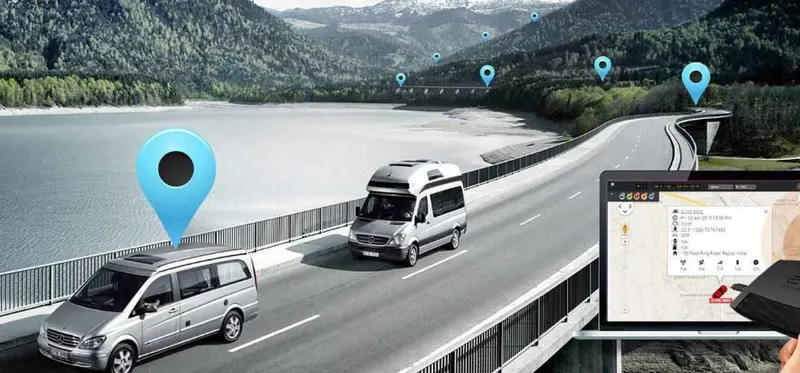
Advanced GPS tracking can provide information about a vehicle's location during a trip, along with estimated arrival times and journey visibility. Transport operators may use this data to monitor journey progress and understand when a vehicle is approaching its destination.
For companies managing multiple vehicles, location information makes daily operations easier to oversee and improves dispatch accuracy. Geofencing can send an alert when a vehicle enters or leaves a set area, such as an airport pickup zone, while live vehicle tracking helps the team respond when a pickup location changes or a passenger needs an update.
Vehicle Safety and Operational Oversight
GPS records and route history can help operators review vehicle routes, travel distances and journey patterns. This information may be useful when checking route deviations, investigating delays or reviewing completed journeys.
Combined with real-time vehicle monitoring, it can also show how a chauffeur drives, including speed and braking. This makes operations more transparent, helps keep vehicles secure and supports compliance with traffic regulations.
However, GPS is a monitoring and navigation tool, not a substitute for safe driving. Professional chauffeurs must remain attentive to road conditions, traffic regulations and passenger safety.
The Combined Role of AI and GPS in Chauffeur Journeys
AI and GPS provide different types of information. GPS identifies where a vehicle is and supports navigation, while AI can analyse location and traffic data to identify patterns.
When these systems work together, they can support more informed operational decisions. For example, GPS may show that a vehicle is approaching a congested area. An AI-supported system can analyse real-time traffic intelligence and estimate whether the delay is likely to affect the scheduled arrival time.
This combination can support several areas of chauffeur operations:
- Route analysis: location and traffic data can help assess suitable travel routes.
- Operational decisions: traffic patterns can help teams review schedules and journey estimates.
- Fleet visibility: GPS information gives operators a clearer picture of vehicle locations and fleet performance.
- Planning accuracy: historical and current data can support more informed scheduling decisions.
These benefits are especially clear on longer routes, such as a chauffeur service from Abu Dhabi to Dubai, where intelligent routing systems and live traffic conditions help keep the journey on schedule over a longer distance.
The practical value of these tools comes from combining location information with data analysis. Neither technology performs every task independently, but together they can provide a clearer view of transportation operations.
Smart Technology in Dubai Airport Transportation
Airport journeys require coordination around flight schedules, terminal locations and passenger arrival times. Dubai International Airport (DXB) and Al Maktoum International Airport (DWC) handle a high volume of domestic and international travellers, making accurate pickup arrangements important.
Flight Tracking and Pickup Coordination
Real-time flight tracking connects with airline schedules to provide updates about delays, gate changes, cancellations and early arrivals. Transport operators can use this information to adjust chauffeur dispatch schedules and pickup arrangements where necessary.
This is useful when flight schedules change after a booking has been made. Updated arrival information helps the operations team coordinate the pickup more effectively, without passengers needing to report every flight change themselves.
Airport Arrivals and Vehicle Allocation
Airport pickups involve several arrangements, including assigning the vehicle, sharing chauffeur details and organising the meeting point. Passengers may also need assistance with luggage or clear instructions about where to meet their driver.
Reservation software and digital dispatch systems help keep these details organised, including terminal information and passenger notifications. GPS can provide vehicle location information, while the operations team manages communication and pickup arrangements. Passengers who need additional assistance on arrival can also use a Dubai airport meet and greet service for help with arrival coordination and luggage.
These details are especially important when arranging an airport transfer in Dubai after a long flight, as clear instructions and automated pickup coordination can make the arrival process easier, reduce waiting times and support timely chauffeur arrivals.
Passenger Benefits of Intelligent Chauffeur Technology
The use of digital tools can make chauffeur journeys more organised, safer and more comfortable. Their benefits are reflected in the information available to passengers, the way transport providers handle bookings and the features inside the vehicle itself.
More Reliable Journey Information
Updated traffic and location information can help operators provide more realistic pickup and arrival estimates. Actual travel times may still change because of road conditions, but better information supports clearer expectations and more punctual chauffeur services.
Better Communication
Digital booking records make it easier for transport teams to access important journey details. This can help when passengers need updates about pickup arrangements, chauffeur information or changes to their itinerary. Live tracking and booking notifications also improve passenger communication and create a more seamless customer experience.
Greater Operational Consistency
Organised booking records and maintenance schedules help transport providers manage daily responsibilities. This supports consistent vehicle preparation, scheduling and service coordination across different types of journeys, while ensuring premium vehicle availability for every booking.
Smart Safety and Security Features
Modern chauffeur vehicles also use intelligent safety technology. Advanced Driver Assistance Systems (ADAS) use cameras, radar and sensors to spot road hazards and help prevent collisions. Some systems go further, using predictive collision avoidance or Vehicle-to-Everything (V2X) communication to share information with nearby vehicles and road infrastructure.
Inside the car, driver monitoring systems can detect signs of fatigue or distraction and alert the chauffeur straight away. Biometric authentication, such as fingerprint or facial recognition, ensures that only authorised chauffeurs can start the vehicle. If a serious incident happens, automated emergency response can notify emergency services with the car's location.
All of this data is protected through encryption and secure networks, so passenger privacy is respected on every trip.
Connected Comfort and a Mobile Office
Technology also makes time in the car more productive. High-speed Wi-Fi, wireless charging and USB-C ports let executives join virtual meetings or answer emails on the move. Multi-zone climate control and a quiet, well-insulated cabin keep every passenger comfortable, while adaptive air suspension smooths out the ride.
Professional Chauffeurs and the Limits of Automation

Technology supports transportation operations, but the quality of a chauffeur journey still depends heavily on the driver. Professional chauffeurs must understand road conditions, follow traffic regulations and respond to situations that automated systems may not recognise.
A navigation application may suggest a route, but the driver must consider road restrictions, safety and passenger requirements before following it. Similarly, scheduling software can organise bookings, but unexpected changes may require a decision from the operations team.
Passenger assistance also involves personal attention, professional conduct and knowledge of local destinations. These responsibilities cannot be replaced by location data or automated recommendations.
AI and GPS in modern Dubai chauffeur services are most useful when they support the experience and judgement of professional chauffeurs rather than attempting to replace them.
Future Developments in AI and GPS for Dubai Transportation
Transportation technology continues to develop. Advances in artificial intelligence, connected systems and vehicle technology may introduce new ways to manage chauffeur operations, supported by initiatives such as Smart Dubai, smart city technologies and the wider growth of smart mobility across the UAE.
Predictive Mobility and Connected Transport Systems
Future mobility platforms may combine road information, traffic patterns and transport schedules to provide more detailed journey forecasts. Connected vehicle technology and cloud platforms could also improve the exchange of operational data between vehicles and transport operators.
This may help companies prepare for traffic changes and manage complex schedules more effectively.
Autonomous Driving and Future Chauffeur Services
Autonomous driving technology is developing through advanced sensors, vehicle software and driver assistance features. These developments may influence future transportation, although fully autonomous chauffeur services are not yet a standard replacement for professional drivers.
For now, skilled chauffeurs remain essential for passenger assistance, responsible driving and adapting to changing road conditions.
Conclusion
AI and GPS are influencing the way transportation companies plan routes, monitor vehicles and organise bookings. Their applications include traffic analysis, navigation, fleet management, airport pickup coordination, passenger safety and in-car comfort.
The future of these technologies in Dubai's chauffeur industry will depend on how effectively they support professional drivers and improve journey management. Digital tools can make operations more efficient, but passenger comfort, safety and reliable service will continue to depend on experienced chauffeurs and proper human oversight.
✦ ROYAL CHAUFFEUR DUBAI
Need a Luxury Chauffeur in Dubai?
Experience ultimate convenience with certified English-speaking drivers, flight-tracking airport pickups, and pristine luxury vehicles 24/7.
✦ FAQS
Frequently Asked Questions
✦ MORE INSIGHTS
View All Articles →